
Maurice Blackburn - Phil’s story
One filming day. Three interviews. Five finished videos.
Maurice Blackburn needed a client story that brought together Phil Freebairn’s experience, the legal support he received and the care available through a lung health nurse.
Draftpic worked closely with their team to plan the interviews and filming, creating a main client film, shorter campaign edits and a separate nurse video from one production day.
Turning the brief into a production plan
Maurice Blackburn supplied background information, key messages, interview questions and the intended deliverables. We worked with their team to develop the interview structure and plan how each contributor would support the story.
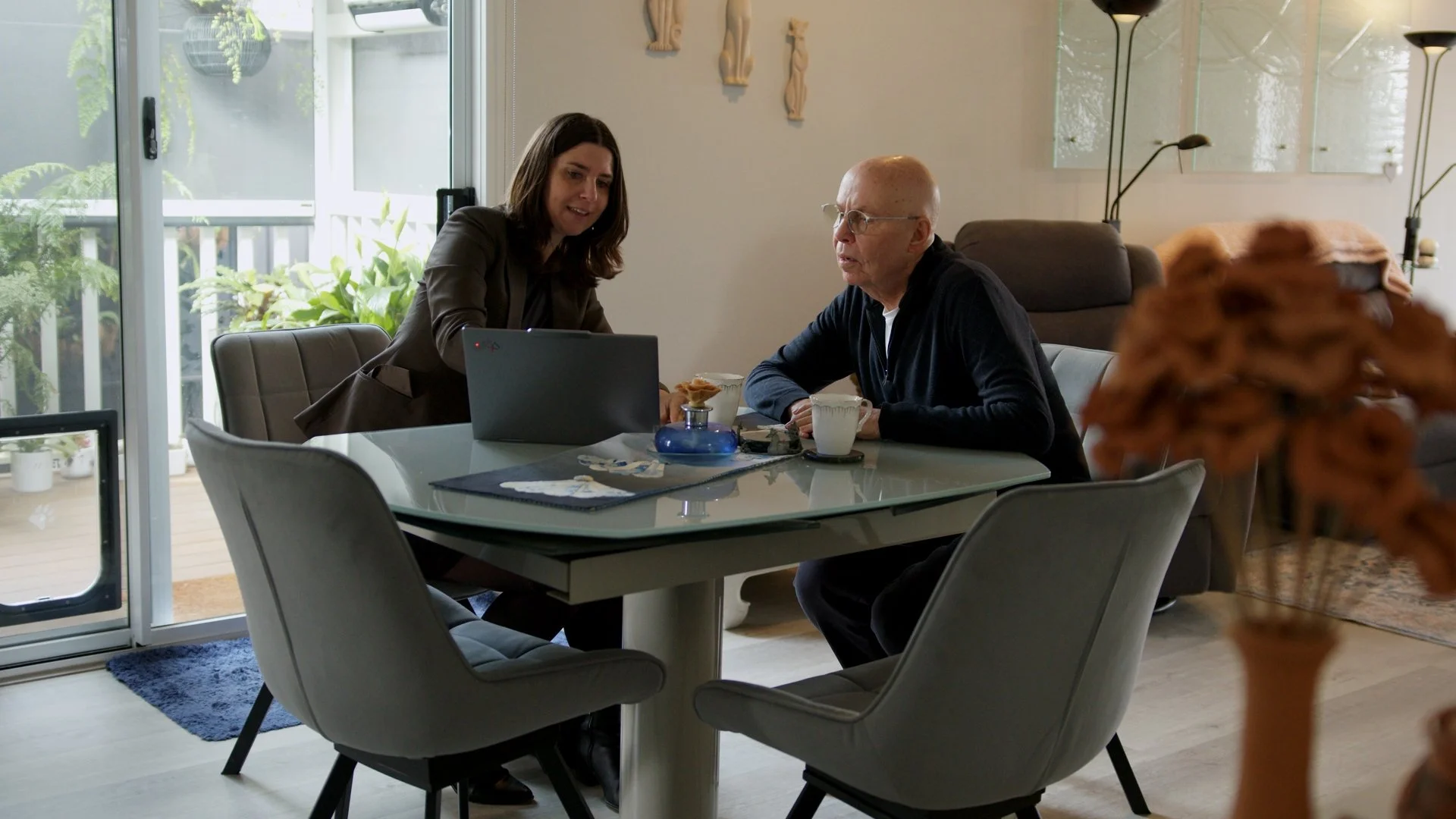
Phil’s experience formed the centre of the film. Maurice Blackburn Principal Lawyer Sally Weir provided the legal perspective, while Lung Clinical Nurse Consultant Sara McLaughlin-Barrett explained the support available beyond the legal process.
Sara’s involvement and the standalone nurse video were planned from the outset. Preparing for both uses helped us make room for the additional interview and supporting footage.
Preparing three complementary interviews
We developed a separate interview guide for each contributor using four components.
Purpose
What each section needed to contribute to the story and eventual edit.
Question
A simple, conversational starting point, with alternative questions that could approach the same key points from another direction.
Ways to Begin
Optional sentence starters to help contributors give answers with enough context to stand alone in the finished film, without scripting their words.
Key Points to Draw Out
The important details and emotional moments to listen for, helping us recognise when to explore something further or move on.
This gave the interviews a shared direction while allowing each person to speak from their own experience.
Giving people time to find their words
Preparation gives us a structure, but the conversation needs room to develop.
We make it clear that there is no rush. Contributors can pause, ask questions, start again or talk through what they are trying to express. They have a team behind them to help them find their words and feel supported throughout the conversation.
We also allow time for confidence to build. Rather than interrupting an early answer with corrections, we can keep the conversation moving and return to those questions once the person feels more comfortable.
Two cameras give us flexibility in the edit, allowing us to remove pauses and repetitions while preserving the meaning and natural delivery of an answer.
Making the filming day work
We planned the shoot around Phil’s home in Clyde North, Victoria, keeping location moves manageable and allowing time for interviews and supporting footage.
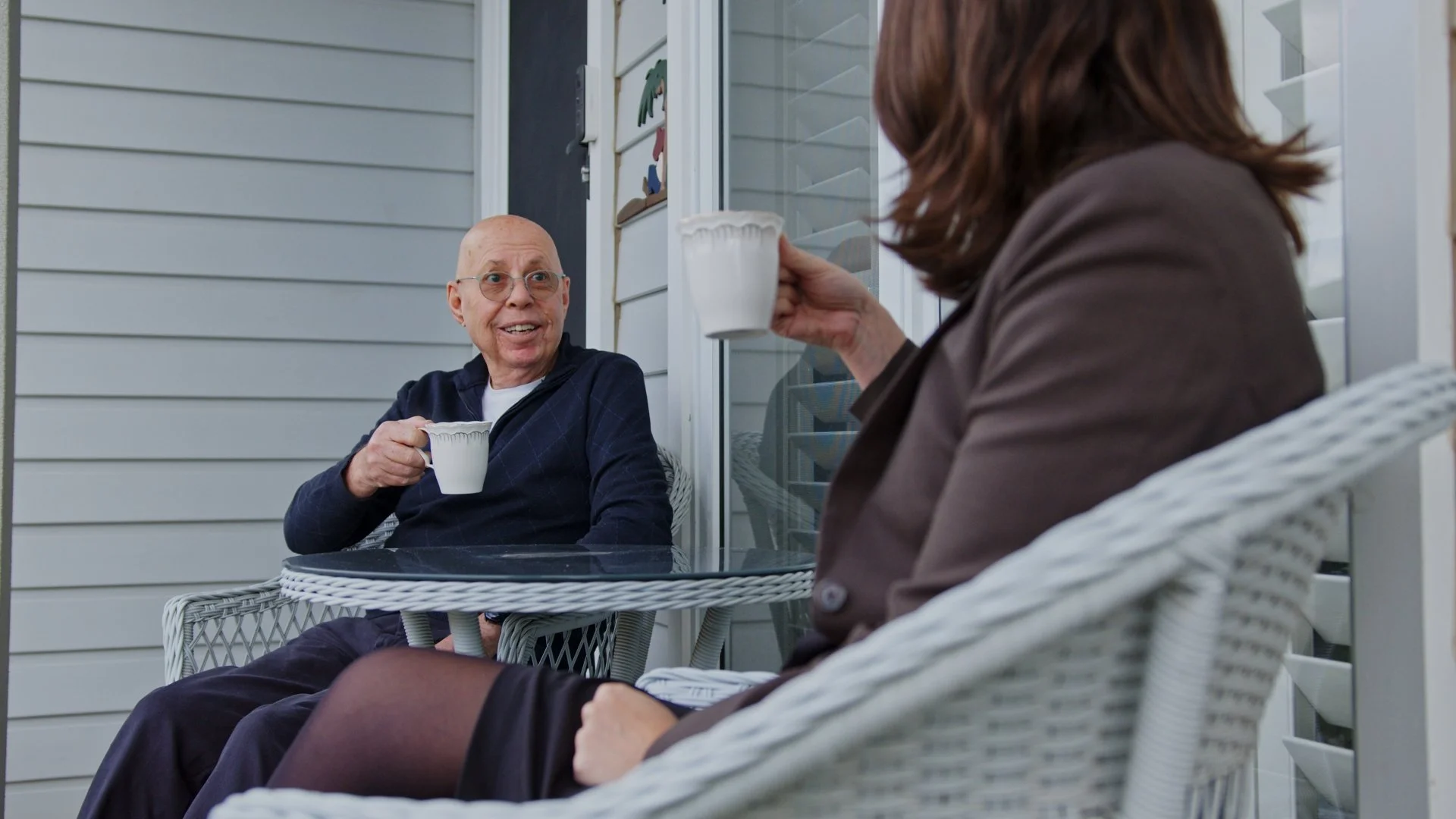
Our approach is to interview the client first, then the business representative. Listening to the client’s account helps inform the next conversation, while notes taken during the interviews generate ideas for footage that will support the story.
For this project, the schedule also accommodated Sara’s interview and footage showing her involvement with Phil.
Concentrating the filming around one location helped us capture this additional material while giving contributors time and attention. That balance made it possible to create more useful content within the production day.
Showing the relationships behind the story
The supporting footage placed the interviews in the context of Phil’s life.
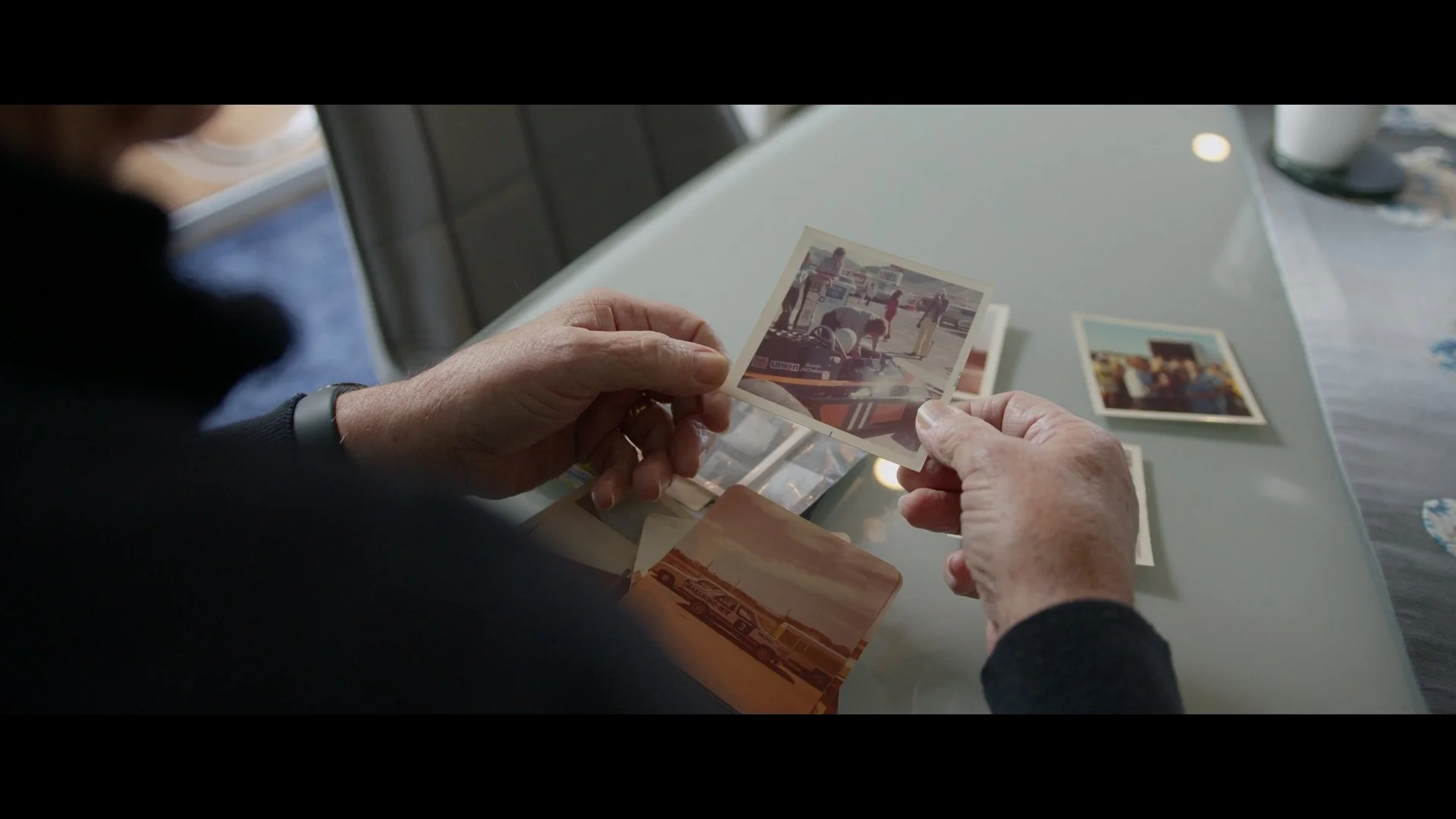
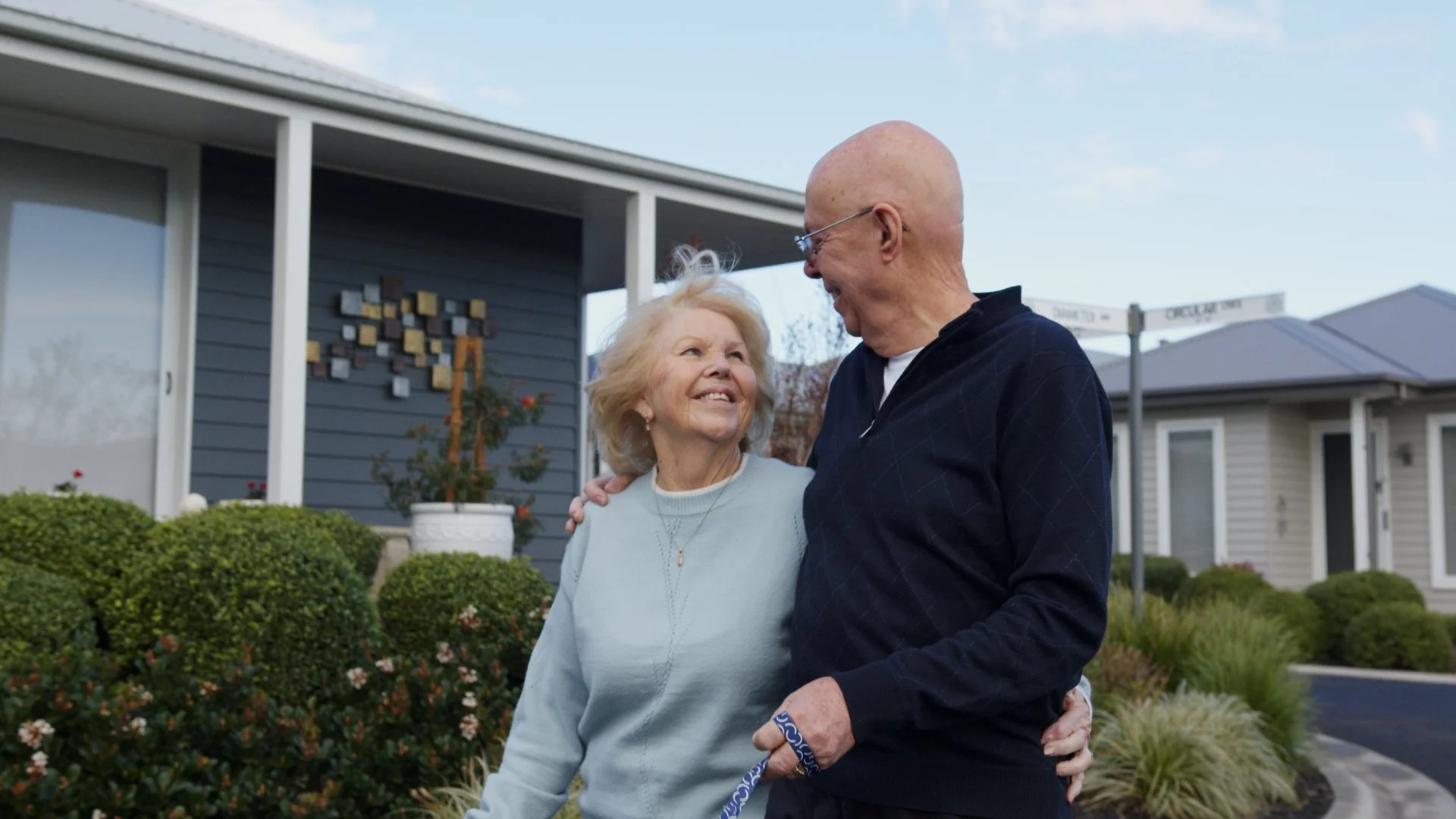
Scenes with his wife Bev, moments around their home, family photographs and conversations with Sally and Sara gave the film a sense of the people and relationships surrounding him.
These scenes also helped connect the different perspectives in the edit, moving between Phil’s account, the legal process and the nurse’s support.
Five videos from one shoot day
The production provided material for:
A main client film bringing Phil’s experience, legal support and nursing care together.
A 30-second testimonial presenting a concise version of the client story.
Two 15–30-second social cutdowns highlighting selected moments for shorter placements.
A standalone nurse video explaining the nursing service in its own focused edit.
The delivery package included landscape, vertical and square formats, captioned and clean video versions, separate .srt caption files and thumbnails, with two rounds of revisions.
A separate film explaining the nursing service
Alongside Phil’s story, we created this standalone video to explain the lung health nurse’s role and the support available to clients.
Planning beyond the main film
Planning for the full delivery package shaped what we asked, what we listened for and what we filmed.
The main film had room to develop Phil’s story. The shorter edits provided additional ways to share selected messages, while the nurse video created a separate asset explaining an important service.
For organisations planning a series of client stories, this approach provides a consistent production framework with room to adapt to the people and requirements of each project.
Planning a client story or a series of films?
Explore our testimonial video production approach, or talk to us about your project.